
When heavy rain falls straight down, most well-built roofs can handle it without a problem. But when that same rain is whipped sideways by strong winds, homes often need storm damage roof repairs in Naples, FL from Dickson Roofing. Wind-driven rain doesn’t just test your roof’s strength – it exploits its smallest weaknesses. Because the damage it causes doesn’t always show up right away, it often gets missed until it turns into a bigger, more expensive issue.
Here’s a closer look at what’s really happening when gusty winds and pounding rain meet your rooftop – and why ignoring this type of damage could cost you more than you expect.
It’s Not the Rain – It’s the Angle
Most roofing systems are designed with gravity in mind. Rain is expected to fall vertically, roll off shingles, flow into gutters, and drain away from the structure. But throw wind into the equation, and the rain starts coming in sideways – or even upward, depending on the storm’s intensity.
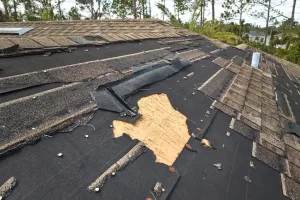
This shift in angle pushes water into spots it was never meant to reach: under shingles, behind flashing, into roof vents and beneath eaves. Even small amounts of moisture in these areas can spell trouble. Water may seep into underlayment layers, find its way to the roof deck or travel down into attic insulation, where it starts to rot wood, create mildew or trigger mold growth. It’s a quiet kind of damage that doesn’t announce itself until stains appear on the ceiling or you start to smell something musty.
Why It’s Easy to Miss
One of the main reasons wind-driven rain damage is overlooked is because it rarely causes immediate, dramatic failure. You won’t always see missing shingles or blown-off tiles. In fact, everything might look fine from the ground. But beneath the surface, water can be working its way into the structure. That’s especially true around roof penetrations – things like skylights and vent stacks, where flashing is supposed to keep water out. Under pressure from wind, that barrier often isn’t enough.
Because the damage is subtle and slow-moving, it tends to go unnoticed until there’s already a leak inside the home. At that point, what started as a small vulnerability has likely turned into a much more involved – and expensive – repair.
How It Affects Different Roofing Materials
Not all roofing types react the same way to wind-driven rain. Asphalt shingles, for example, have an adhesive strip that helps them stay sealed together. But strong wind can lift the edges and break that seal, letting water sneak underneath. Tile roofs can allow water to travel between the tiles if the underlayment isn’t perfectly intact. Metal roofs hold up well under pressure, but improperly sealed fasteners or edges can still let water through when wind forces it in.
Why Routine Inspections Matter More Than You Think
After a heavy storm, it’s easy to assume everything’s fine if you don’t see obvious damage. But wind-driven rain can leave behind warning signs only a trained eye will catch. Water stains in the attic, lifted flashing, warped underlayment or subtle warping in the shingles might not mean much to the average homeowner – but to a roofing professional, they’re red flags that action’s needed before things get worse.
Regular inspections, especially after a big storm, are the best way to catch hidden issues early. Waiting until there’s a visible leak often means the problem has already spread. When water has had time to work its way into insulation, wood and drywall, cleanup gets a lot more complicated – not to mention costly.
If you suspect you need storm damage roof repairs in Naples, FL call Dickson Roofing at (239) 514-1100 or contact us online.